

One of the things Atlanta got right during 2026 FIFA World Cup weeks has nothing to do with public transit, blowout fan festivals, or a cutting-edge stadium with fair concession prices and (gasp) air-conditioning.
An array of handy, permanent wayfinding signage was also a hit, according to Atlanta Regional Commission officials. And it’s provided a blueprint that could be implemented in other parts of the city, pending funding.
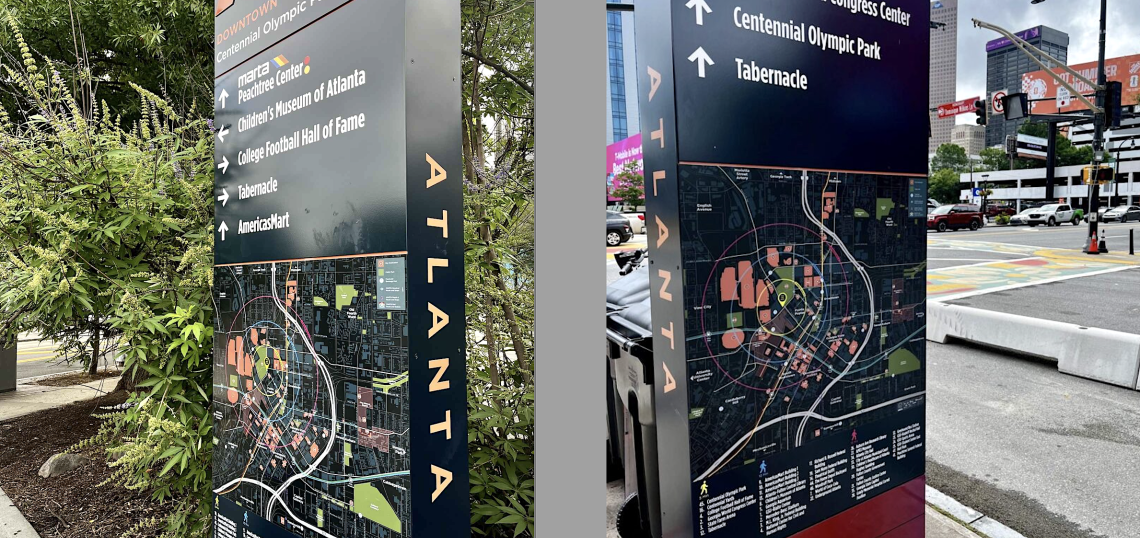
The 92 signs now spread across downtown are hard to miss—and intuitive to use. Rising up to 12-and-½-half feet tall, the signs feature large “ATL” lettering, neighborhood maps, and clear directions pointing the way to nearby attractions, sharing a “bold, consistent visual style” overall, according to ARC officials.
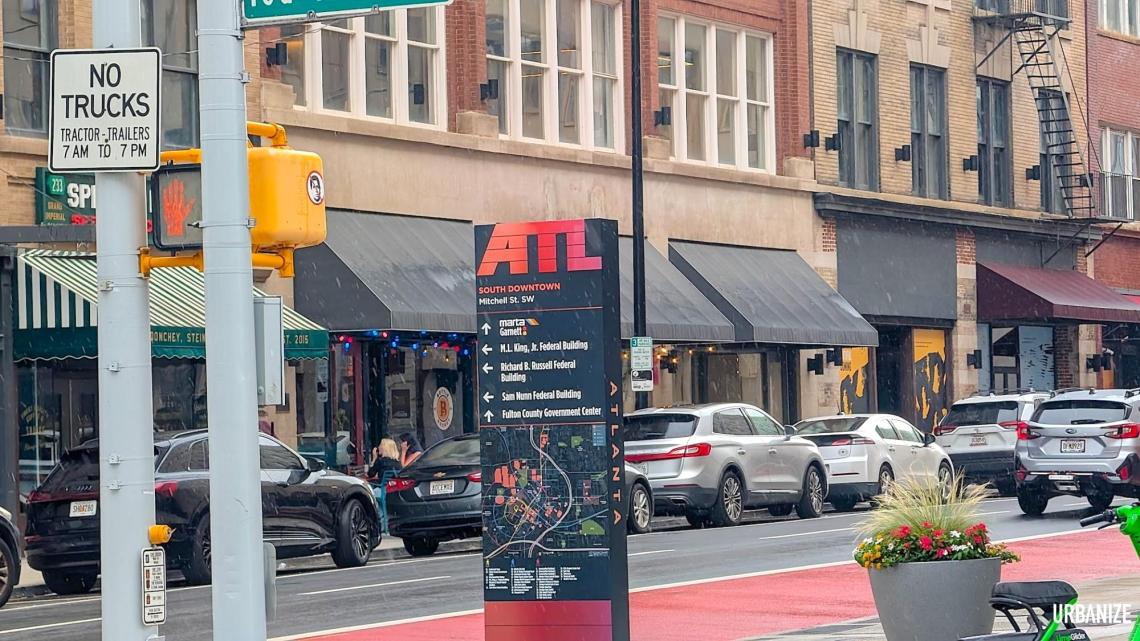 Freshly installed wayfinding in South Downtown a week before 2026 FIFA World Cup matches began in Atlanta. Josh Green/Urbanize Atlanta
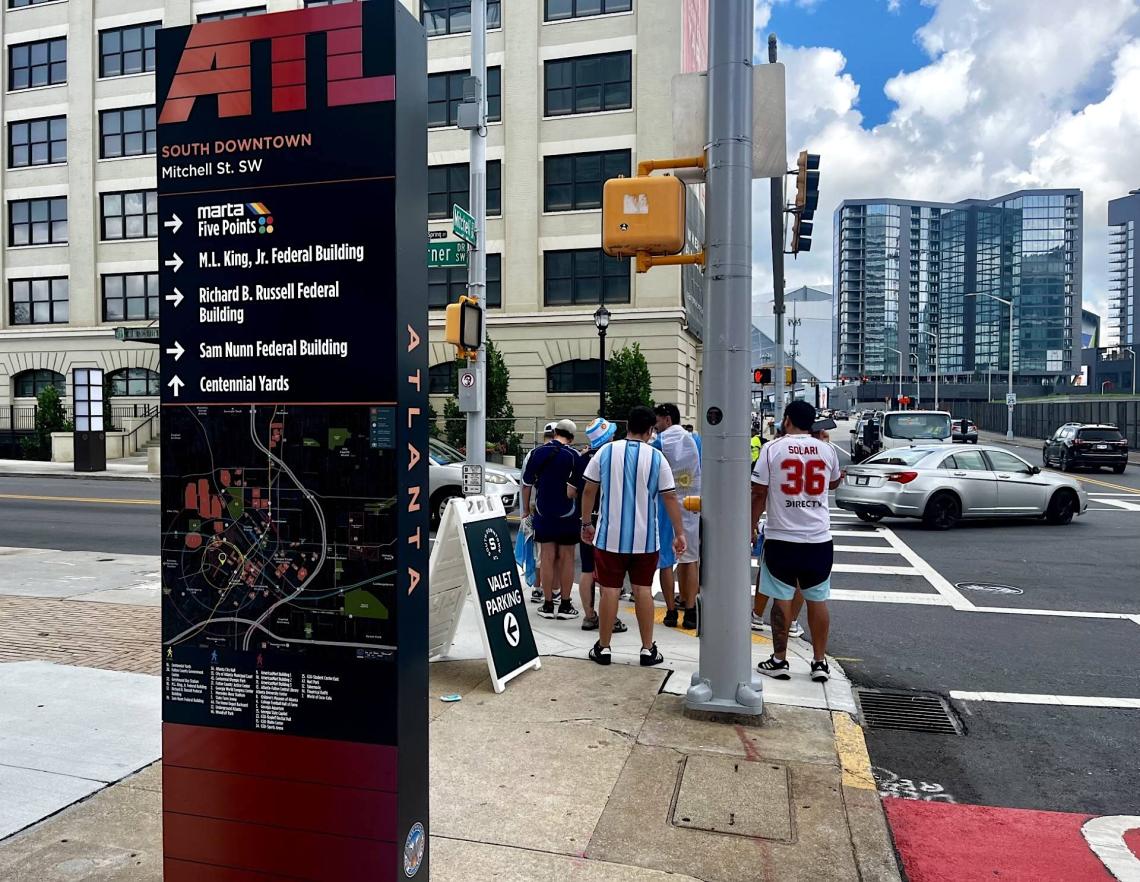 Courtesy of Atlanta Regional Commission/Paul Donsky
The signage—developed with a planning grant from ARC’s Livable Centers Initiative program and designed by the Perkins & Will firm—was installed by the City of Atlanta and Atlanta Downtown Improvement District around transit stations, hotels, public spaces, and rising districts such as South Downtown and Centennial Yards.
According to ARC officials, installation tactics called for keeping street clutter down by wrapping signage around existing utility boxes, for instance, in places where traditional signs weren’t practical, including popular pedestrian routes. The signs allow pedestrians to keep focused on where they’re walking, or where bicyclists are riding, without fussing with their cellphones and navigation apps while crossing streets. ARC officials say the wayfinding push is part of a broader effort to make downtown more walkable for everyone—and to phase out the dated, previous wayfinding system that was more focused on helping drivers navigate the area.
ARC considers the World Cup the wayfinding campaign’s first “major test” but expects the signage to keep paying dividends for first-time visitors, conventioneers, concertgoers, sports fans, and residents in coming years.
“Wayfinding isn’t just about helping people get from Point A to Point B,” Jennifer Ball, Chief Operating Officer at Downtown Atlanta Inc., said in a recent project recap. “It’s about making people feel comfortable exploring everything downtown has to offer.”
Which begs the question: Where else in Atlanta needs this wayfinding treatment?
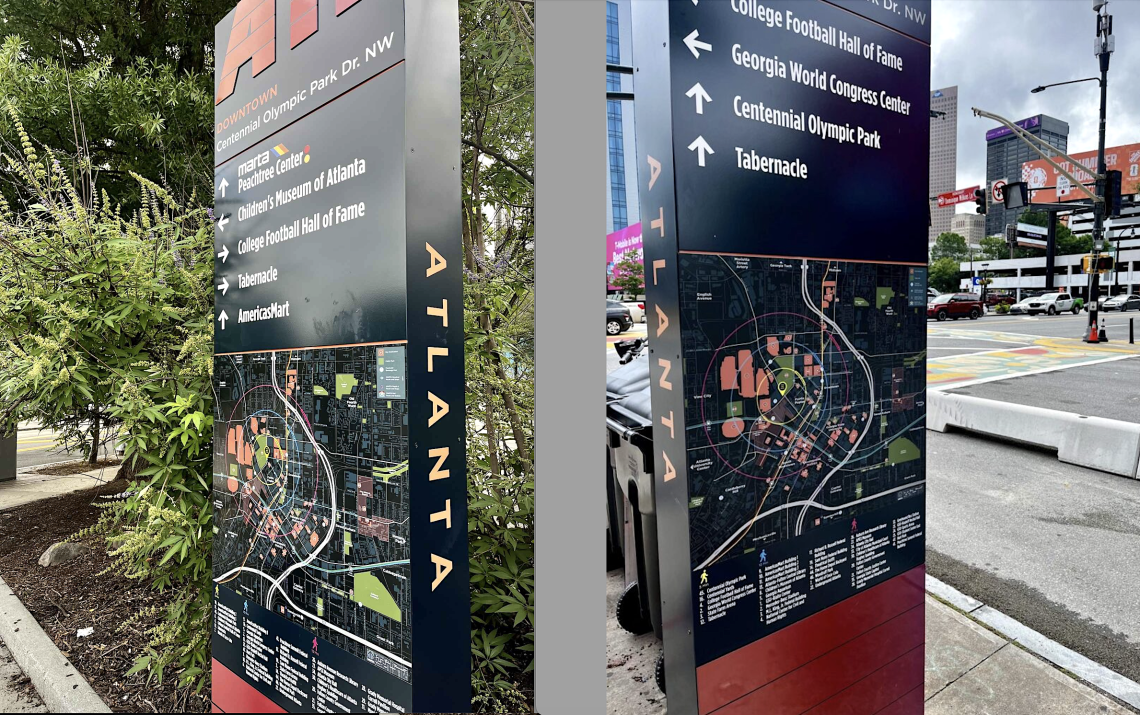 Courtesy of Atlanta Regional Commission/Paul Donsky
ARC spokesperson Paul Donsky tells Urbanize Atlanta the signs could spread across the city, but all funding to create and install them would have to be sourced from the City of Atlanta.
With the downtown campaign, the LCI grant provided early planning and conceptual design, followed by input from downtown stakeholders.
Once that wrapped, funding from the city’s Atlanta Urban Redevelopment Agency revenue bonds paved the way for final designs—followed by installation with guidance from the Atlanta Department of Transportation.
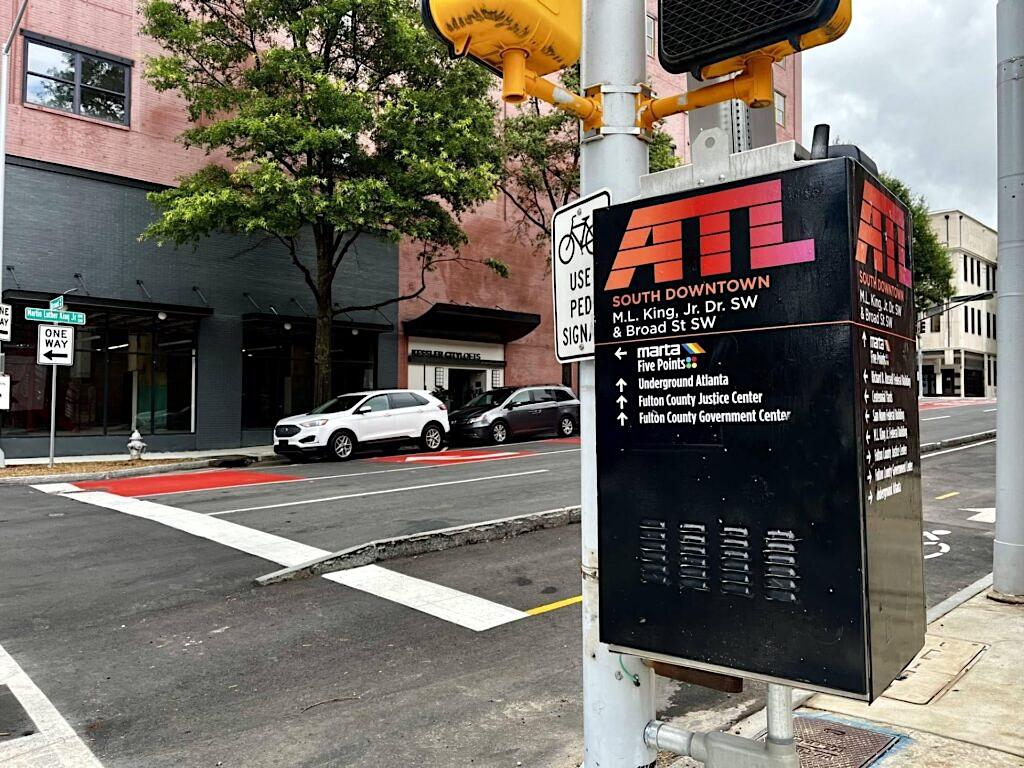 Courtesy of Atlanta Regional Commission/Paul Donsky
...
Follow us on social media:
Twitter / Facebook/and now: Instagram
• Atlanta climbs (back) to 6th largest metro in the United States (Urbanize Atlanta)