

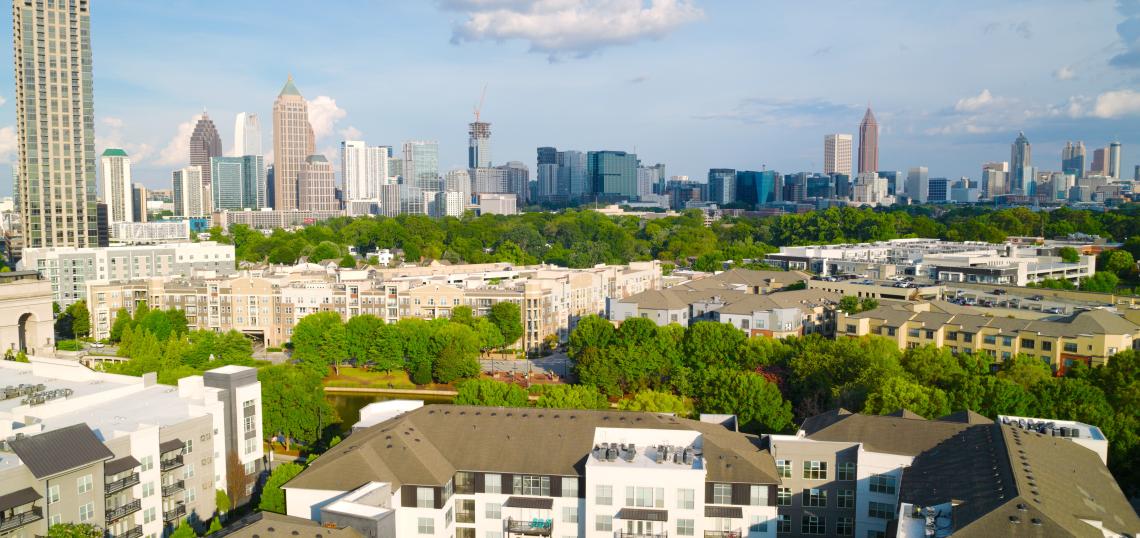
As U.S. city rankings go, Atlanta has tallied a strong year, earning the top spot for launching a career in May, cracking the top five of best cities for recreation, and being named the second-best “buyer-friendly” market in the land for 2026.
The ATL also apparently reigns supreme when it comes to hybrid working right now.
That’s according to a new analysis by flexible workplace company Hubble, which is part of Yardi real estate software and data research, as actual office attendance still remains just above half of pre-pandemic levels in the U.S.
According to Hubble analysts, Atlanta “comfortably” claimed the No. 1 spot for hybrid working among 203 cities studied—each one in the U.S. with 100,000 residents or more.
Each city was scored on 20 hybrid work-related metrics across five categories. Those ranged from quality of life, cost of living, workspace access, commute and mobility, and labor market.
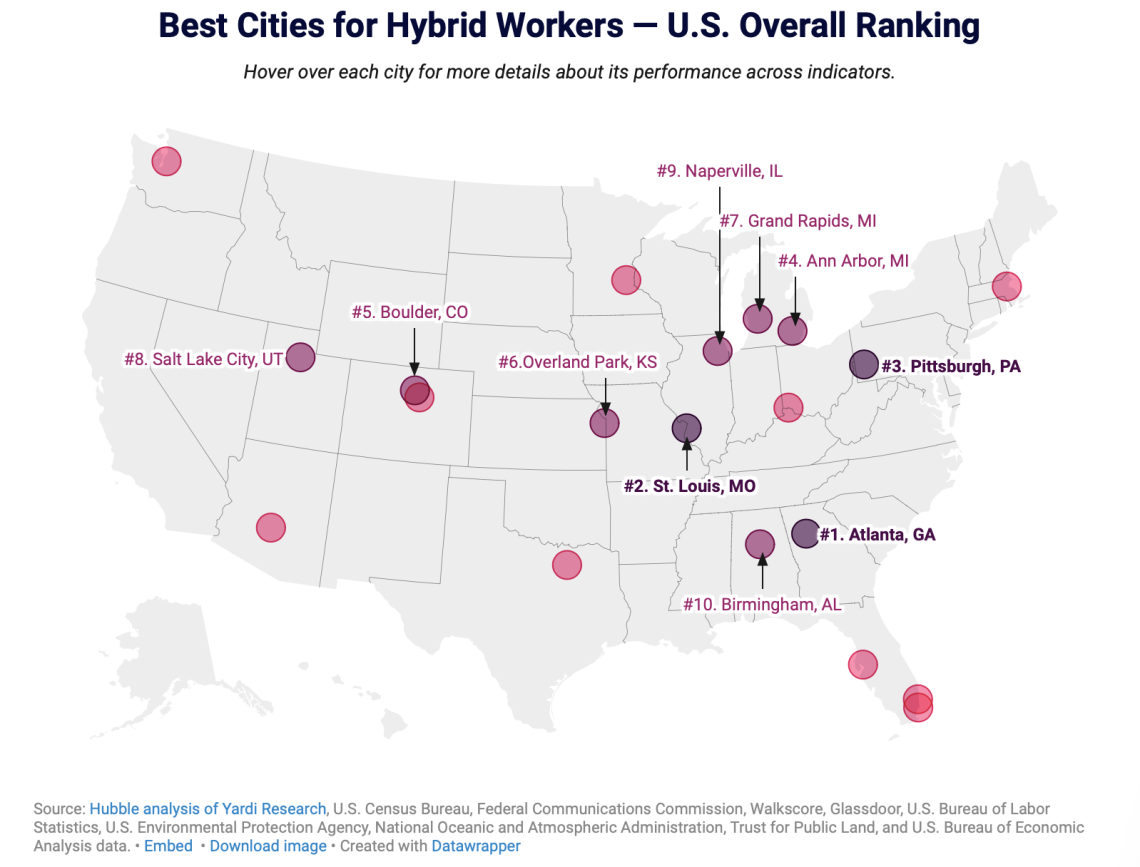
That data showed the City of Atlanta to be the country’s most hybrid-work ready place, ahead of other top finishers St. Louis (No. 2), Pittsburgh (3), Ann Arbor (4), and Boulder (5), respectively.
Working in Atlanta’s favor are relative affordability and a coworking density of 41.7 spaces per 100,000 residents—the highest across all American cities Hubble analyzed.
Those coworking memberships in Atlanta average $199 monthly, which is “among the lowest in any major U.S. market and comfortably below the $220 national median,” per a Hubble recap.
Atlanta notched 470 hybrid job listings per 100,000 residents, with roughly a quarter of Atlantans reporting flexible work arrangements right now.
“Big employers, in addition to the City of Atlanta, are sticking to a mix of in-office attendance and remote work, boosting demand for hybrid infrastructure and cementing the future of hybrid as a mainstay here,” researchers found.
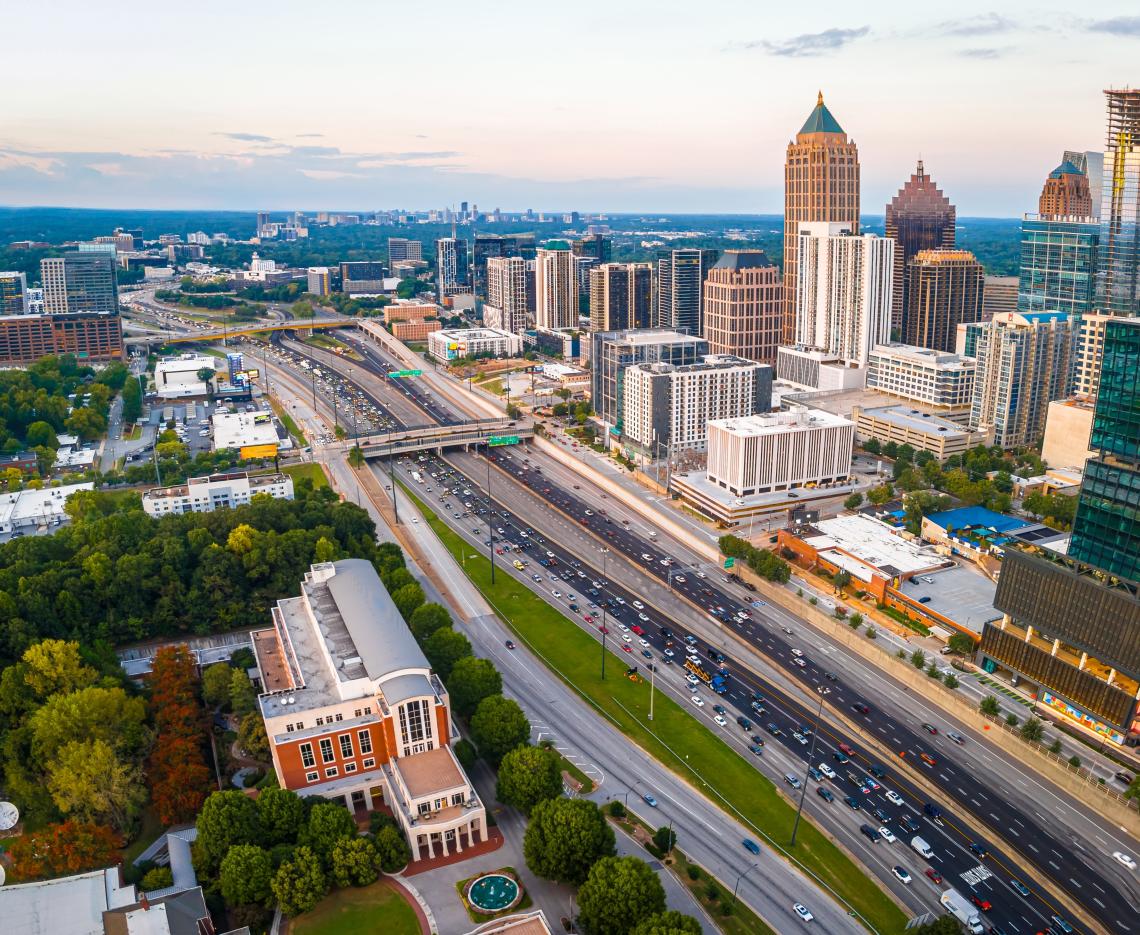 North views to Midtown and Buckhead, from over the Georgia Tech area and downtown Connector. Shutterstock/2025
Less flattering findings included Atlanta’s average one-way commute times (nearly 27 minutes), percentage of alternate transportation use (11.4 percent), and overall Walk Score (48/100), and Bike Score (42/100).
Atlanta marks the largest market by far in the Top 10—which was dominated by the Midwest—outside of Chicagoland’s Naperville at No. 9.
Hubble’s methodology pulled from U.S. Census Bureau, Federal Communications Commission, Walk Score, U.S. Bureau of Economic Analysis, and Trust for Public Land data, among other sources.
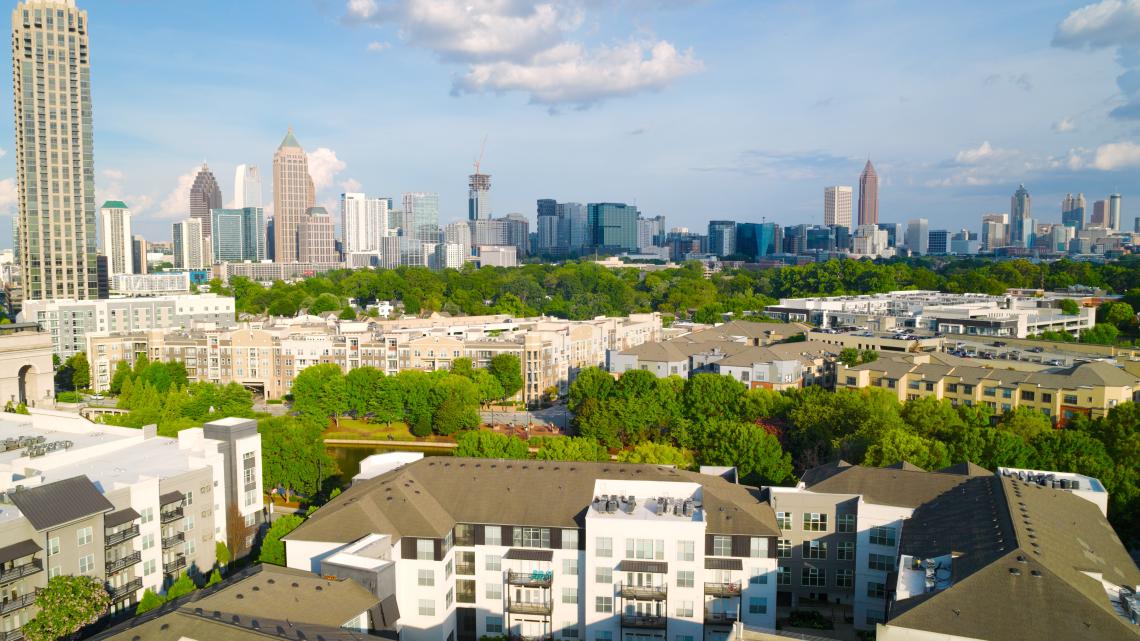 Shutterstock/2025
...
Follow us on social media:
Twitter / Facebook/and now: Instagram
• Atlanta cracks top 5 among U.S. cities for recreation options (Urbanize Atlanta)